
Market analysis · Europe
A faster path to new housing and guest accommodation in Europe.
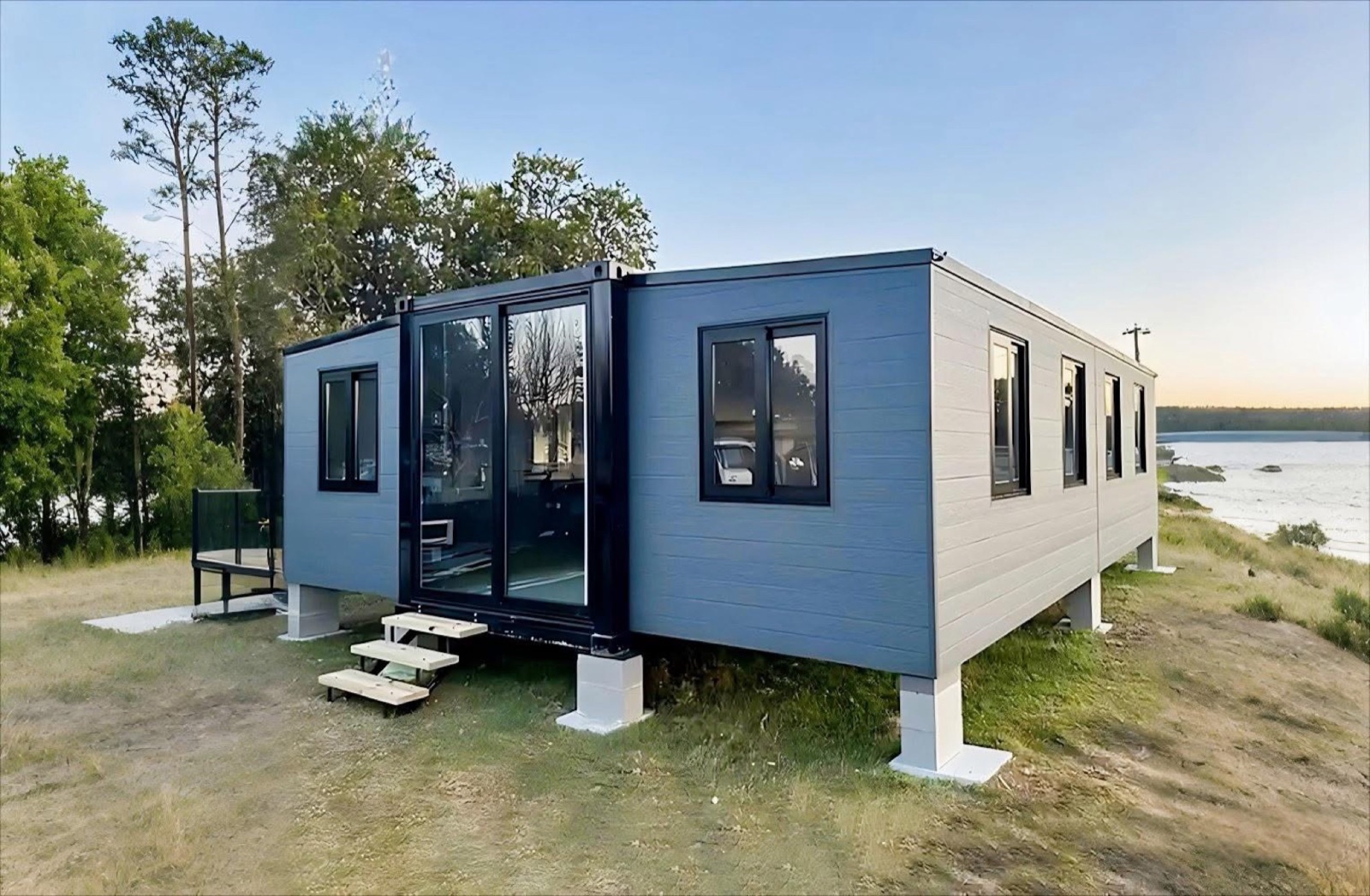
Official trade, housing and tourism data point to a practical role for well-planned prefabricated buildings: adding repeatable capacity while reducing work at the destination site.
Executive view
Europe does not have one housing market or one hotel market. Yet the broad direction is clear: too few homes are being added in many high-demand areas, housing costs continue to rise, and tourism is generating record accommodation demand. Prefabrication will not solve land or permitting constraints, but it can make the building-delivery part of the equation faster, more repeatable and easier to phase.
Figures use China-reported annual exports for HS 9406, “prefabricated buildings,” from the UN Comtrade database. EU27 totals are the sum of the 27 member-country partner records. Values are nominal US dollars; percentages and shares are calculated by YARIS. HS 9406 covers prefabricated buildings broadly and should not be read as modular housing alone.
The housing pressure
Europe needs more homes than its current delivery system is producing.
The shortage is most visible in high-demand cities, employment centres, university markets and tourism regions, where constrained supply meets sustained household and visitor demand.
Annual European housing needEuropean Commission estimate
The European Commission estimates that Europe needs about 650,000 additional homes every year, on top of the roughly 1.6 million currently built. Closing that gap would require approximately €153 billion in extra annual investment.
The Commission’s Joint Research Centre reaches a similar conclusion: beyond 17.06 million units already planned, the EU would need another 7.14 million homes by 2035 to meet projected demand. JRC identifies urban, high-demand and tourism regions among the areas facing acute pressure.
Limited supply is feeding through to cost. According to Eurostat’s third-quarter 2025 data, EU house prices were 63.6% higher and rents 21.1% higher than in 2015. In the third quarter of 2025 alone, prices rose 5.5% and rents 3.1% year over year.
Hospitality and short stays
Record demand is increasing capacity pressure in selected destinations.
Eurostat recorded nearly 3.1 billion nights in EU tourist accommodation in 2025, 2.2% more than in 2024. Spain, Italy, France and Germany together generated 61.7% of the total.
The flexible-accommodation segment grew even faster. Guest nights in short-stay accommodation booked through Airbnb, Booking.com and Expedia reached 951.6 million in 2025, up 11.4% from 2024.
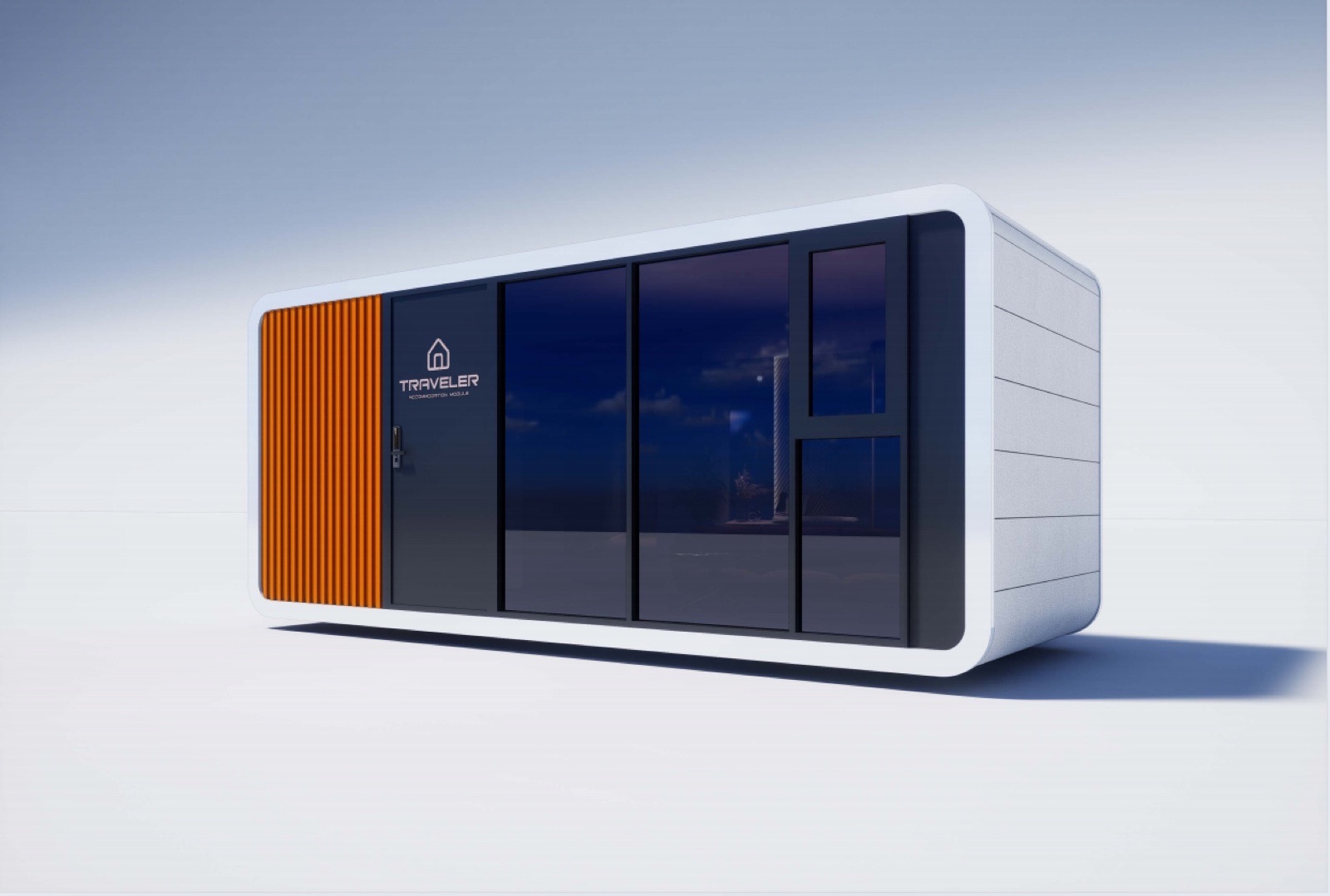
These figures do not prove a universal hotel shortage across Europe. They do show substantial demand for guest capacity, particularly in destinations where seasonal peaks, labour availability and slow planning cycles make conventional expansion difficult. Compact cabins, aparthotel rooms and phased resort units can give operators a more flexible development path.
China customs perspective
A mature export base is already serving European prefabricated-building demand.
Trade growth does not measure the European housing shortage directly. It does indicate that international buyers are already using China’s established prefabricated-building supply chain.
| Destination | 2023 export value | 2024 export value | Annual change | Share of 2024 total |
|---|---|---|---|---|
| World | US$2.970bn | US$3.225bn | +8.6% | 100% |
| EU27 | US$411.8m | US$495.6m | +20.3% | 15.4% |
Source: UN Comtrade, reporter China (156), export flow, annual data, HS 9406, partner world and EU27 member countries; accessed July 2026. Product scope follows the UN Statistics Division HS classification. China Customs also provides an official online customs-data query guide.
What the numbers mean for a European buyer
China’s HS 9406 exports increased by 8.6% in 2024, while exports to EU27 destinations grew by 20.3%. The EU27 share of China’s reported world exports rose from 13.9% to 15.4%.
That faster European growth suggests increasing trade traction, but a capable project requires more than a product shipment. Buyers need a manufacturer that can coordinate drawings, materials, interfaces, packing and technical information with the destination team.
YARIS works from a defined project brief: intended use, quantity, location, layout, performance criteria, local responsibilities and target programme. The modular product is then treated as one part of a complete development process.
Where prefabrication creates value
Its strongest advantage is delivery control.
Prefabrication is most useful where repeatability, a constrained site or a phased opening programme makes conventional construction difficult.
Parallel programme
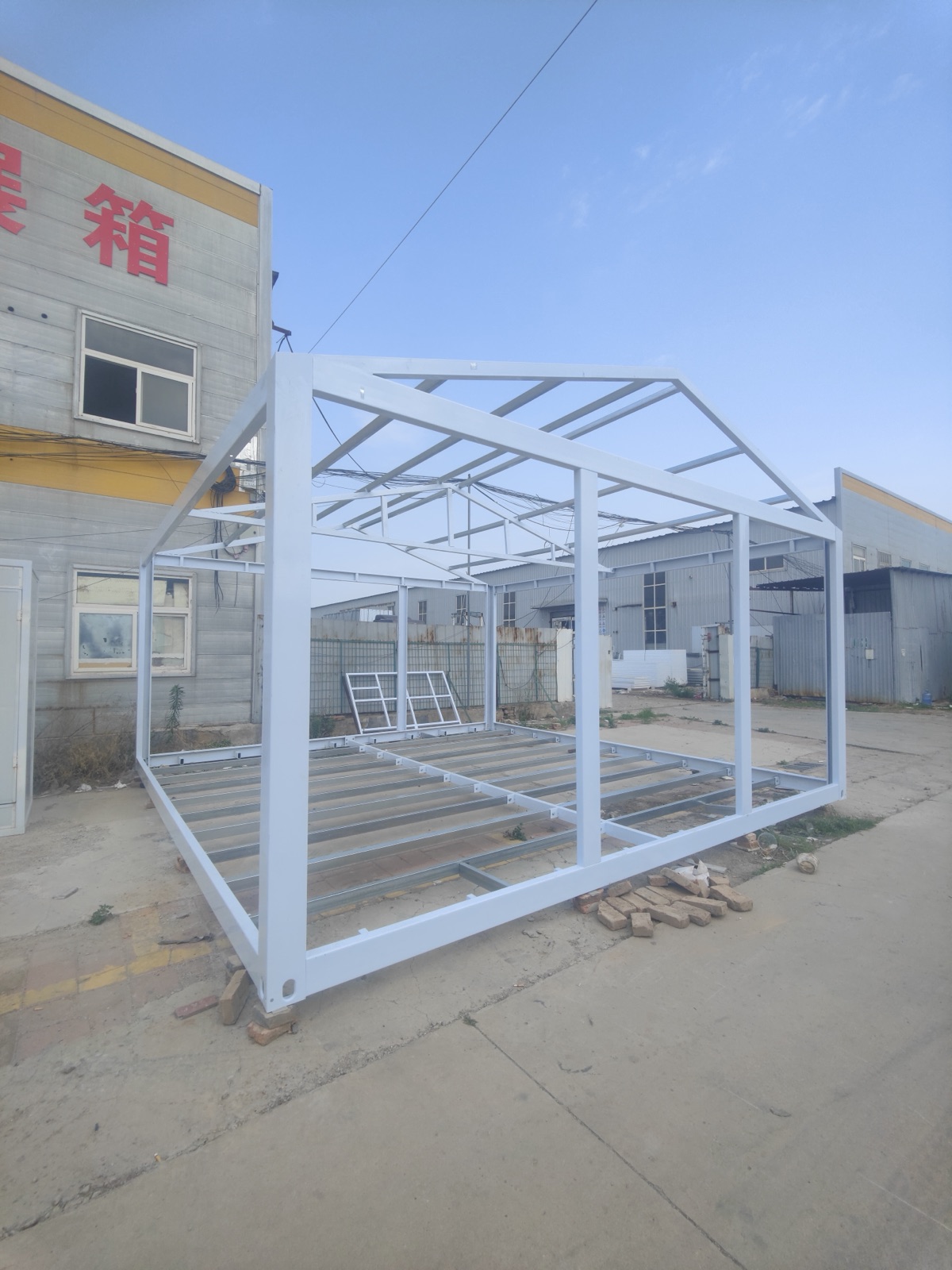
Factory production can proceed while foundations, utilities and access are prepared on site, reducing the amount of sequential work.
Repeatable rooms
Rental studios, guest rooms and workforce units benefit from coordinated dimensions, finishes and service interfaces.
Less site labour
Moving more preparation into the factory can reduce exposure to local trade shortages and lower activity at an occupied or remote site.
Phased investment
Operators can plan capacity in stages, aligning additional units with approvals, infrastructure and demonstrated demand.
Configurable specification
Layouts, facades, openings, finishes and service packages can be aligned with the use case and target guest or tenant experience.
Transport-aware planning
Folding, expandable and modular formats provide different ways to balance factory completion, shipping volume and site assembly.
From the YARIS catalogue
One building logic, several operating models.
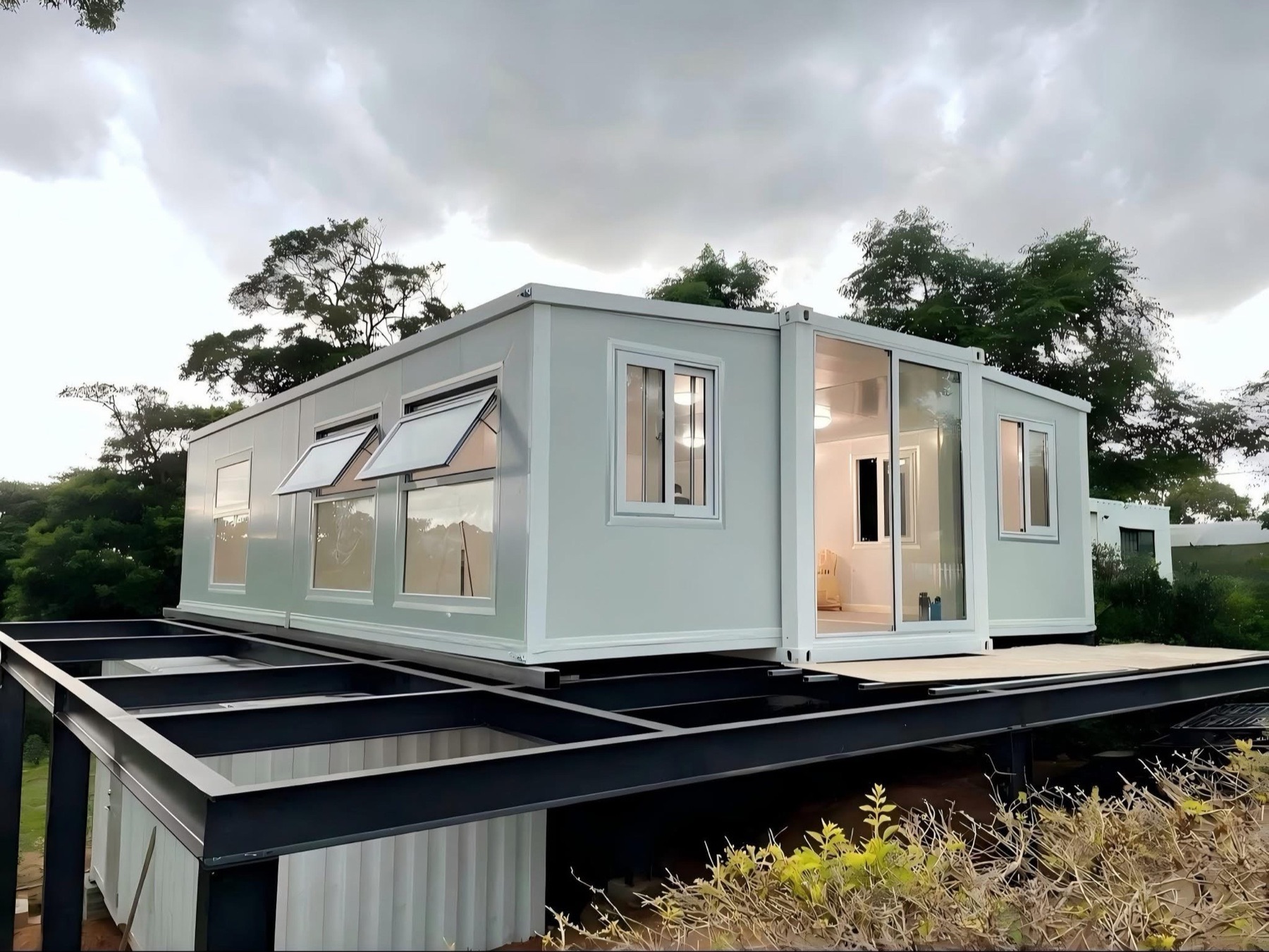
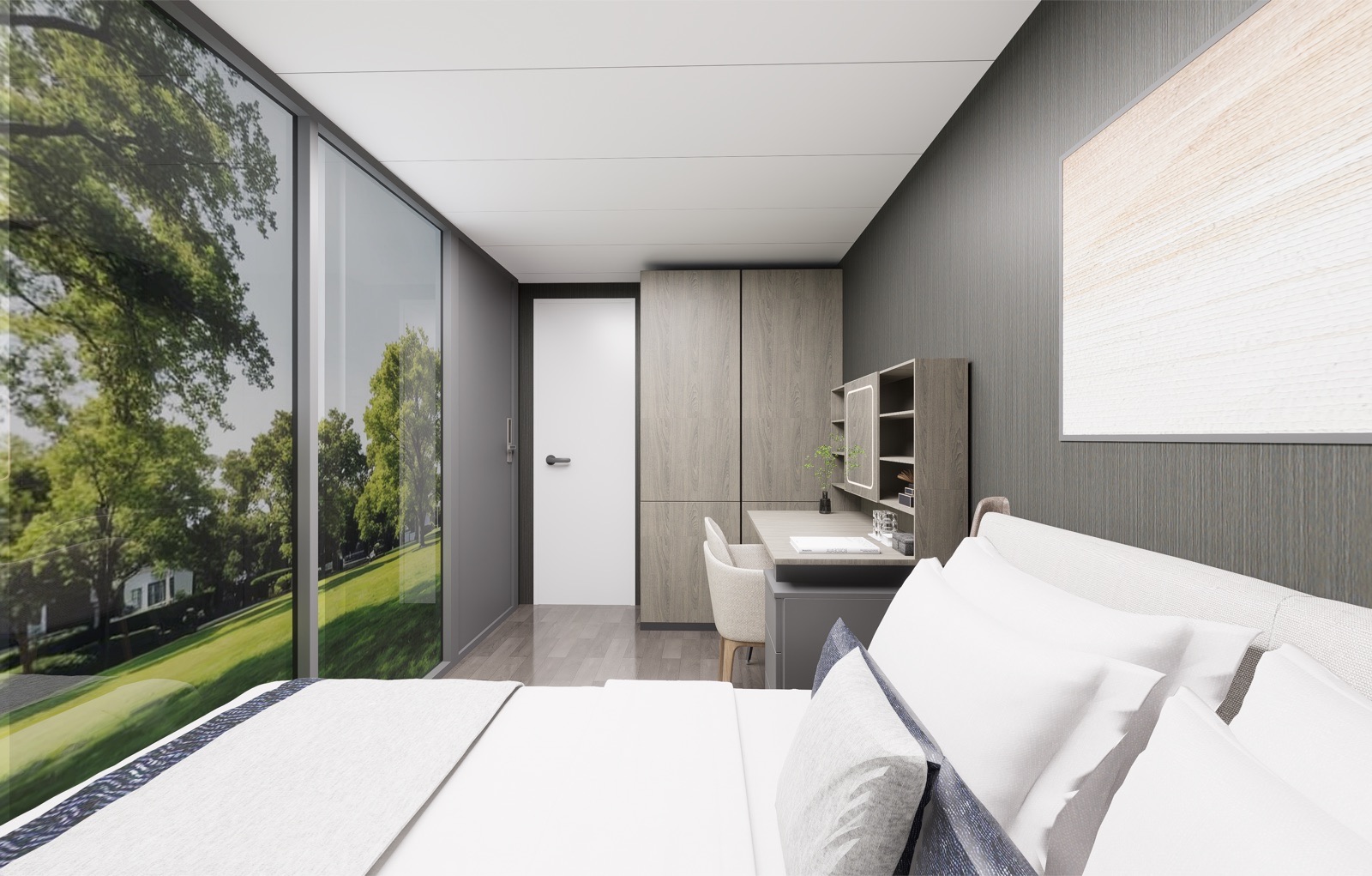
Expandable houses support larger living layouts; compact cabins suit hospitality and scenic accommodation; frame-led modules can be repeated for rental, workforce or project housing. The right system depends on shipping constraints, local assembly capability and the level of factory completion required.
Download the 2026 Catalogue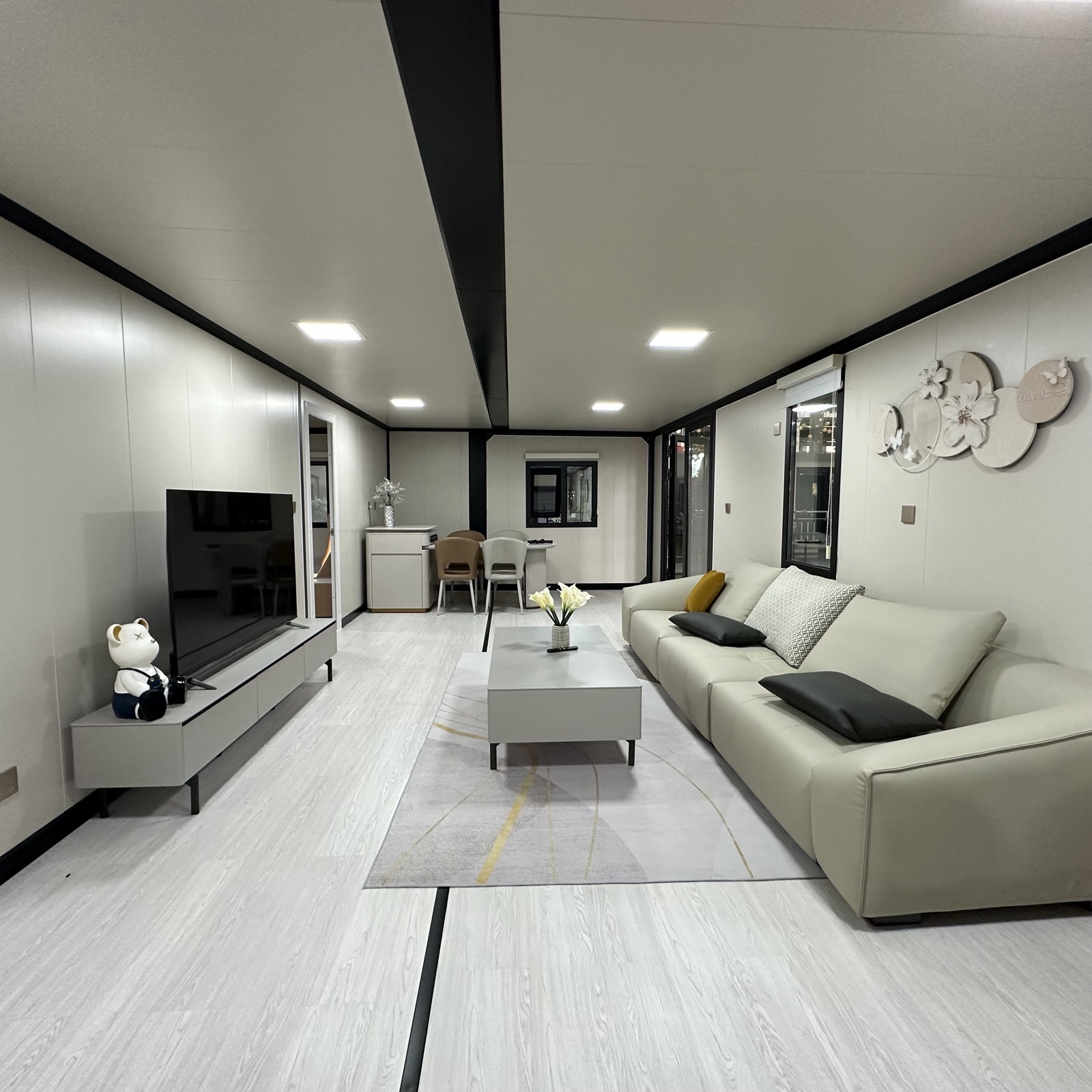
Best-fit applications
Start where speed and repetition matter most.
Every use remains subject to planning approval, local building regulations and site-specific engineering.
The necessary boundary
Faster manufacture does not remove local compliance.
Europe’s housing challenge is not only a manufacturing challenge. Land availability, planning, finance, infrastructure and local acceptance remain decisive. A modular unit also needs to satisfy the requirements that apply at its destination.
Depending on the country, use and project, this can include structural design, fire safety, thermal and energy performance, moisture control, acoustic performance, accessibility, ventilation, electrical and plumbing requirements, transport limits, foundation design and construction-product documentation.
- Local authority and permitting route
- Governing structural and fire standards
- Energy, insulation and condensation criteria
- Acoustic and accessibility requirements
- Foundation, utilities and site-installation scope
- Transport route, lifting plan and module dimensions
- Responsible local architects and engineers
Buyer questions
Move from market opportunity to a buildable brief.
The most useful first conversation combines the business case with the destination’s technical requirements.
Can prefabricated housing help address Europe’s housing shortage?
It can help increase supply where repeatable designs, factory preparation and parallel site work shorten the project programme. Land, finance, planning approval, utilities, local engineering and installation still determine whether a project proceeds.
Are imported modular houses automatically approved for use in the EU?
No. Each project must satisfy the destination’s planning, structural, fire, energy, acoustic, accessibility and product requirements. Local professional review and project-specific documentation are essential.
Which European applications are well suited to modular delivery?
Potential applications include rental studios, workforce and student accommodation, aparthotels, resort cabins, holiday parks, site facilities and phased hospitality extensions, subject to local approval.
What information does YARIS need for a European project review?
Share the destination, intended use, unit quantity, target programme, preliminary layout, site access and known local performance requirements. YARIS can then recommend a product family and define the coordination scope.
Plan a European modular project
Turn the demand case into a defined building brief.
Send the destination, use, quantity, target opening date and local requirements. YARIS will review the appropriate system, configuration and project interfaces.