
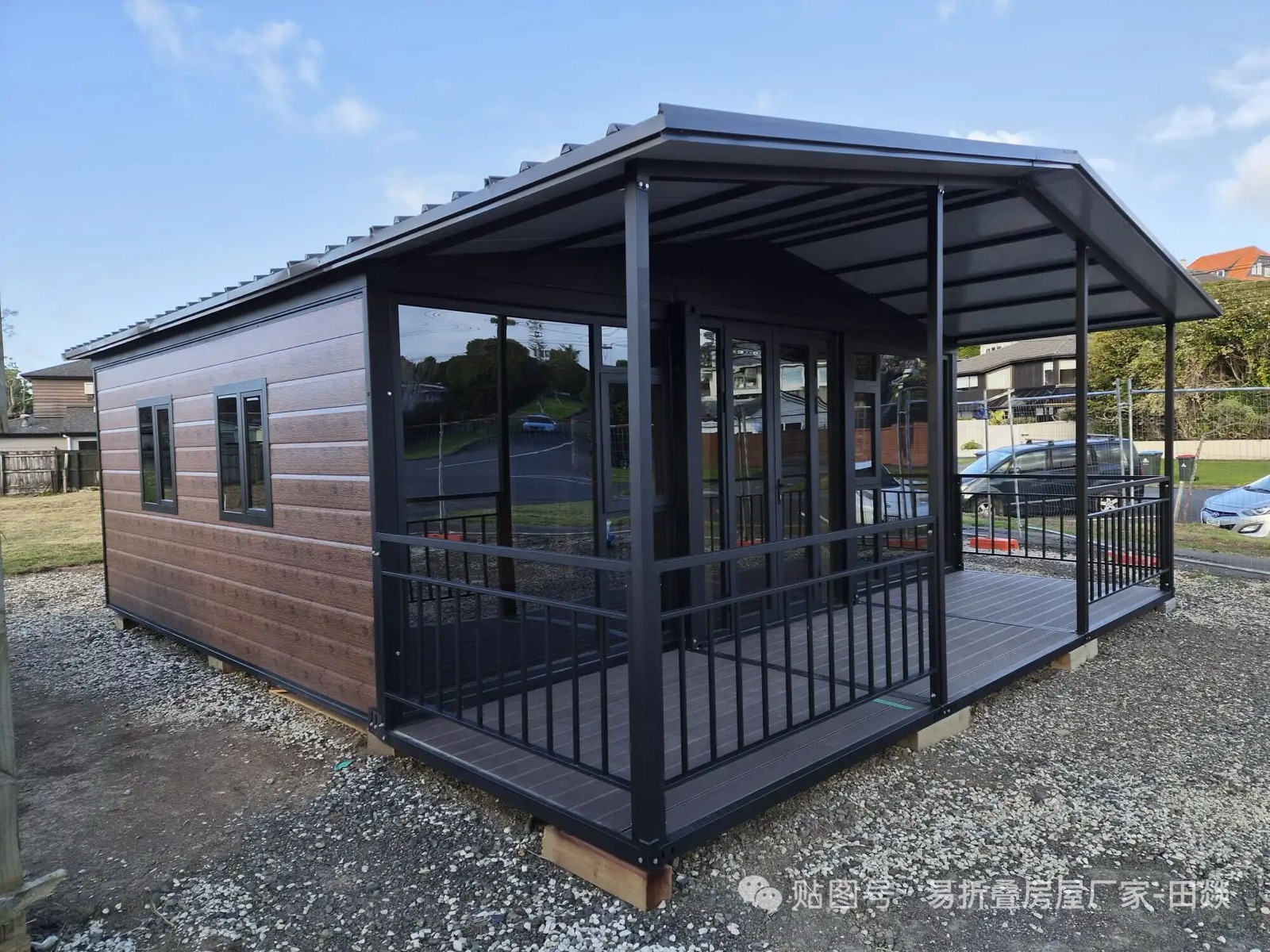
Welded frame · Zinc protection · Long-term planning
Hot-dip galvanized steel at the core.
YARIS prefabricated houses use a welded frame made from hot-dip galvanized steel sections, combining structural continuity with a corrosion-control strategy designed around the project environment.
Durability starts before the walls are installed
The visible finishes make a house attractive. The steel skeleton makes it dependable. By fabricating the primary frame from hot-dip galvanized steel sections, YARIS gives the structure a durable starting point against atmospheric corrosion while retaining the speed and precision of factory production.
Actual performance depends on the local corrosion environment, coating specification and continuity, weld-area repair, water management, foundations, installation quality, inspection and maintenance. These conditions must be written into the project basis and contract.
From skeleton to finished building
Protection is built in layers.
The galvanized frame is one part of a complete durability system. Roof overhangs, flashings, sealed openings, ventilated cavities, drainage paths, compatible fasteners and a foundation that keeps the steel away from standing water all influence long-term performance.
For overseas projects, YARIS coordinates the frame concept with the intended climate, use and local code. The final specification is confirmed before production and checked again before dispatch.
Why zinc helps
Two forms of protection around the steel.
Hot-dip galvanizing is effective because the coating works as both a physical shield and an electrochemically active layer.
Barrier protection
The zinc coating separates the underlying steel from moisture and oxygen, slowing the corrosion process while the coating remains continuous.
Sacrificial protection
Zinc is anodic to steel, so it can preferentially corrode around small exposed areas and help protect the base metal.
Inspectable protection
Coating continuity, damage and weld zones can be checked during production, installation and scheduled maintenance.
Frame architecture
A connected floor, wall and roof structure.
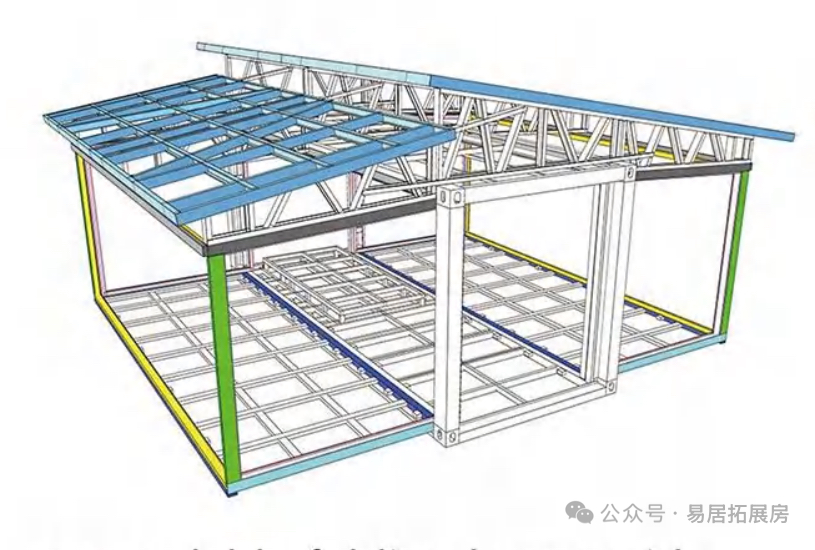
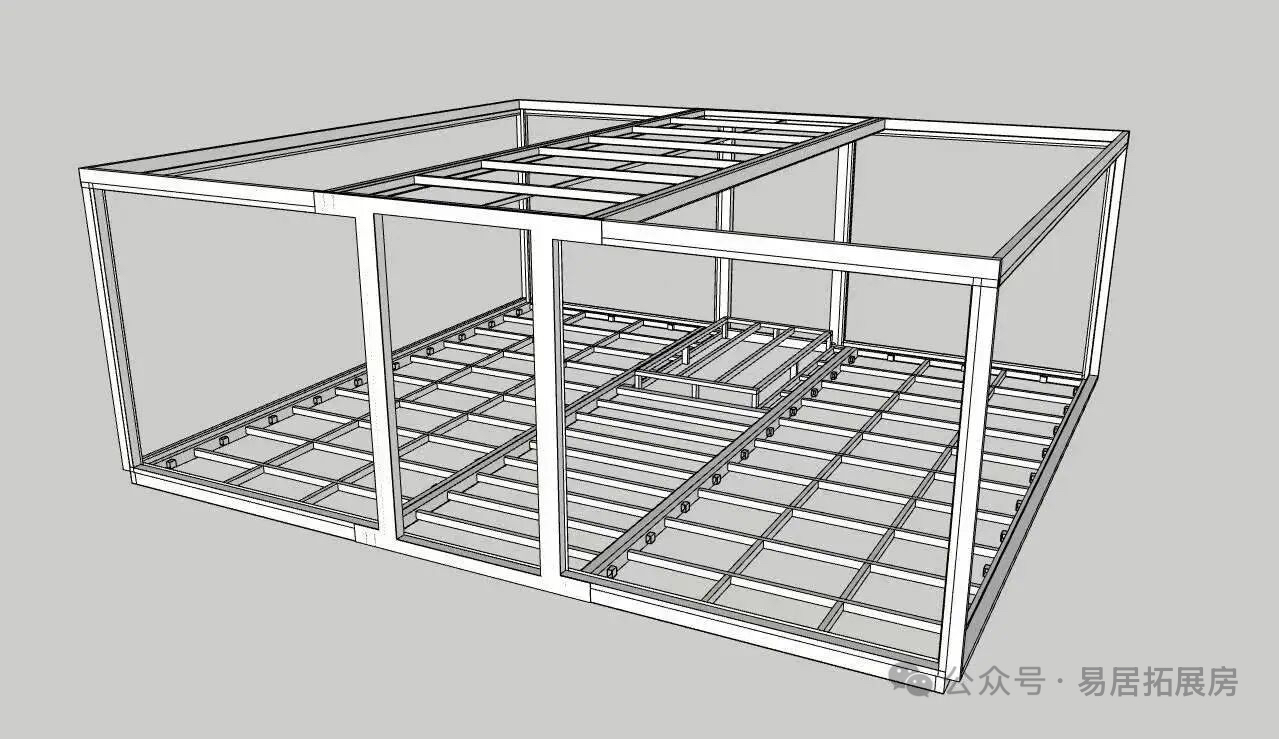
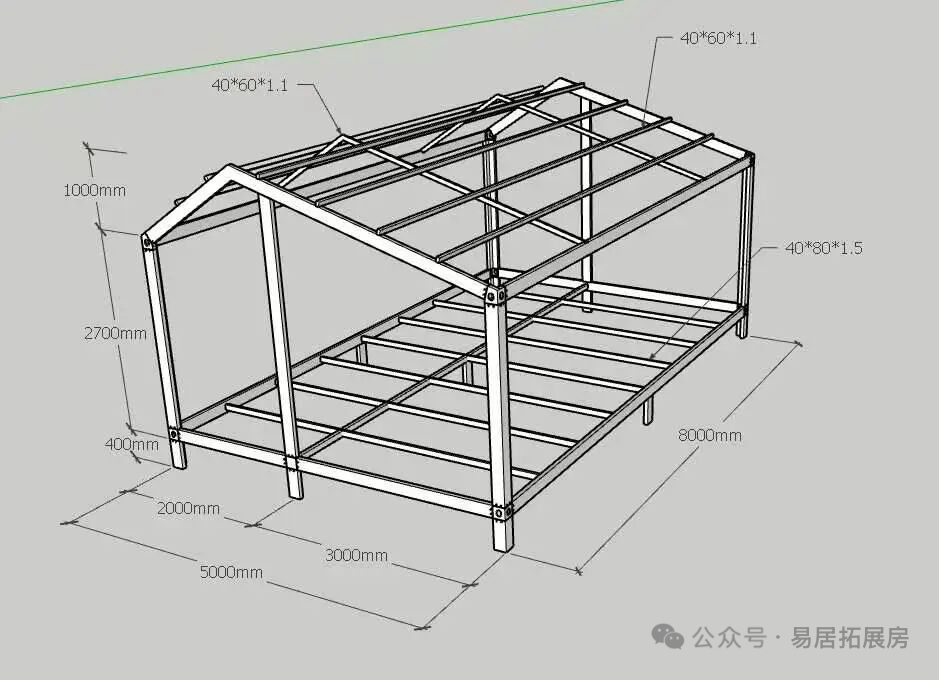
The drawings show how repeated steel members create the load-bearing skeleton before insulation, cladding, doors, windows and interior finishes are added.
The critical interface
Welding creates strength, but it also demands coating repair.
Cutting and welding pre-galvanized steel can locally burn or remove the zinc coating. Those areas should not be hidden behind the wall assembly without inspection. A responsible fabrication plan identifies affected zones, removes contamination, verifies the weld and restores the corrosion-protection system using the approved method and required thickness.
ASTM A780/A780M weld-area repair guidance- 01Cut and fit
Prepare members accurately and keep interfaces accessible for welding and inspection.
- 02Weld and inspect
Confirm connection quality against the approved fabrication and inspection plan.
- 03Clean affected areas
Remove slag, spatter, oxidation, oil and loose coating from the repair zone.
- 04Restore protection
Apply the specified zinc-based repair system and verify preparation, coverage and thickness.
30-year design service life
Define the conditions behind the number.
A service-life target becomes meaningful only when the exposure, materials, detailing and maintenance assumptions are recorded.
Durability checklist
Control the places where corrosion usually starts.
| Condition | Why it matters | Project response |
|---|---|---|
| Coastal or industrial atmosphere | Salt or pollutants can accelerate zinc consumption. | Confirm the corrosion category and consider enhanced or duplex protection. |
| Welds and cut edges | Heat and cutting can interrupt the galvanized coating. | Clean, inspect and repair with the specified zinc-based system. |
| Standing water and condensation | Persistent moisture shortens coating life and can enter hidden cavities. | Provide drainage, ventilation, flashings and accessible inspection points. |
| Ground or concrete contact | Entrapped moisture and aggressive substances can concentrate at the interface. | Use the designed foundation, separation details and approved protective treatment. |
| Transport or installation damage | Scratches and impacts may expose steel before handover. | Inspect after delivery and repair damage before enclosure or occupancy. |
Corrosion resistance is not structural certification
The frame must still be engineered for the site.
A galvanized coating protects steel from corrosion; it does not determine member capacity, connection strength or foundation performance.
Design speed, exposure, openings and uplift path.
Roof loading, slope, drainage and ponding control.
Local hazard, mass, bracing and connection demand.
Soil, anchoring, level support and moisture separation.
Occupancy, fire, energy, accessibility and local approval.
Technical references
Use standards to turn a durability claim into a specification.
Buyer questions
Clear answers about galvanized steel frames.
Final requirements are confirmed for the destination, exposure and governing code.
Is a hot-dip galvanized steel frame completely rust-proof?
No material should be described as universally rust-proof. A zinc coating slows corrosion by providing barrier and sacrificial protection, but performance still depends on coating condition, atmosphere, water retention, weld-area repair, detailing, installation and maintenance.
Does YARIS guarantee every prefabricated house for 30 years?
The 30-year figure is a project-specific design service-life target, not an unconditional warranty. It must be supported by the agreed structural design, corrosion category, material and coating specification, weld repair, foundation, correct installation, inspections and maintenance.
What happens to the zinc coating at welded areas?
Welding and cutting can locally damage a galvanized coating. A responsible fabrication specification identifies affected areas for cleaning, inspection and an approved zinc-based repair system with the required preparation and thickness.
Can galvanized steel prefabricated houses be used near the coast?
They can be considered, but salt-laden coastal environments require a project-specific corrosion assessment. The engineer may require increased protection, a duplex coating system, improved drainage and ventilation, more frequent inspection or different materials at critical interfaces.
Are the frame dimensions shown in the drawings standard for every house?
No. The drawings illustrate structural concepts. Section sizes, wall thicknesses, spans, roof form, connections and foundations must be confirmed for the specific building, location, loads, use and governing code.
Specify a durable frame
Tell us the location, use and required design life.
YARIS will review the structural system, corrosion environment, coating scope, local loads and technical documents required for your project.