
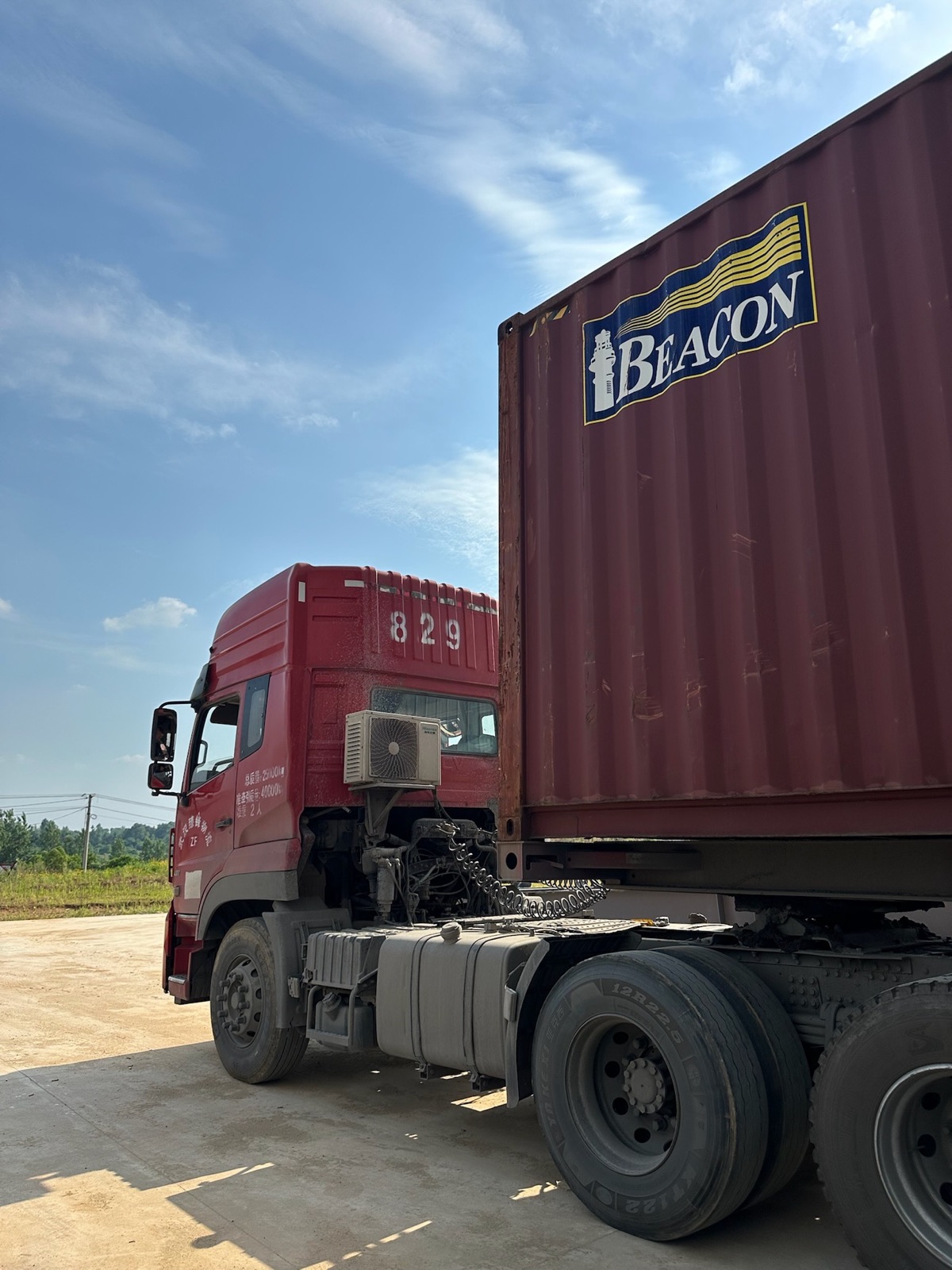
Factory packed · Container loaded · Ocean ready
Modular houses prepared for global sea shipping.
From factory packing and container loading to export documents and destination handling, YARIS coordinates a practical delivery plan around your product, port and project site.
From product to project delivery
A modular house is not simply placed in a container and sent away. Successful international delivery begins with the building configuration, continues through packing and cargo securing, and ends only when the local team can unload, install and connect the building safely.
YARIS can coordinate shipments to accessible international ports, subject to carrier service, equipment availability, sanctions and trade controls, import requirements, local product approvals and the agreed sales contract.
Real factory dispatch
One shipment, documented from the inside out.
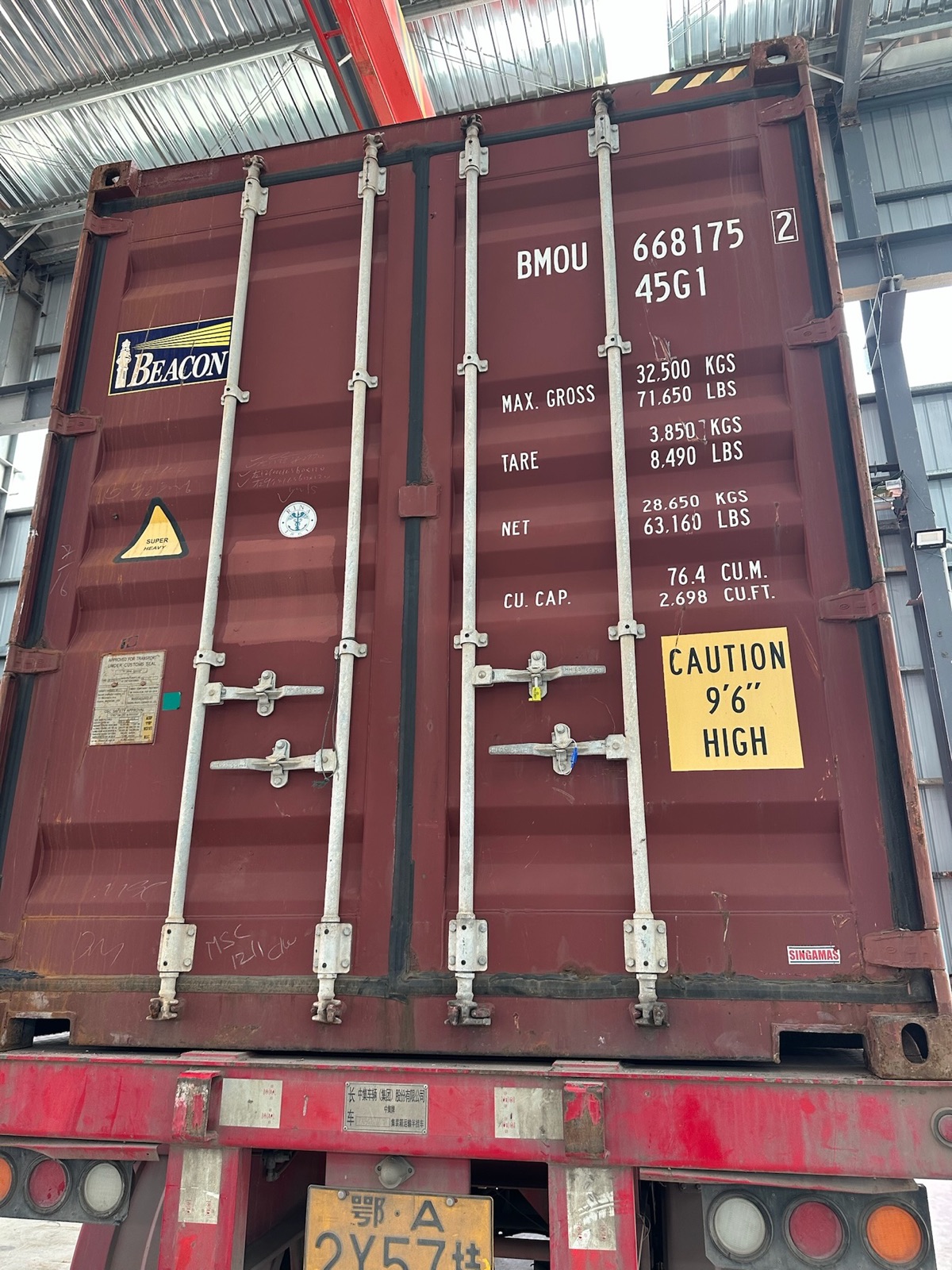
These photographs show an actual YARIS loading sequence: loose components and panel packs, a protected module, container closing, security seals and road dispatch.
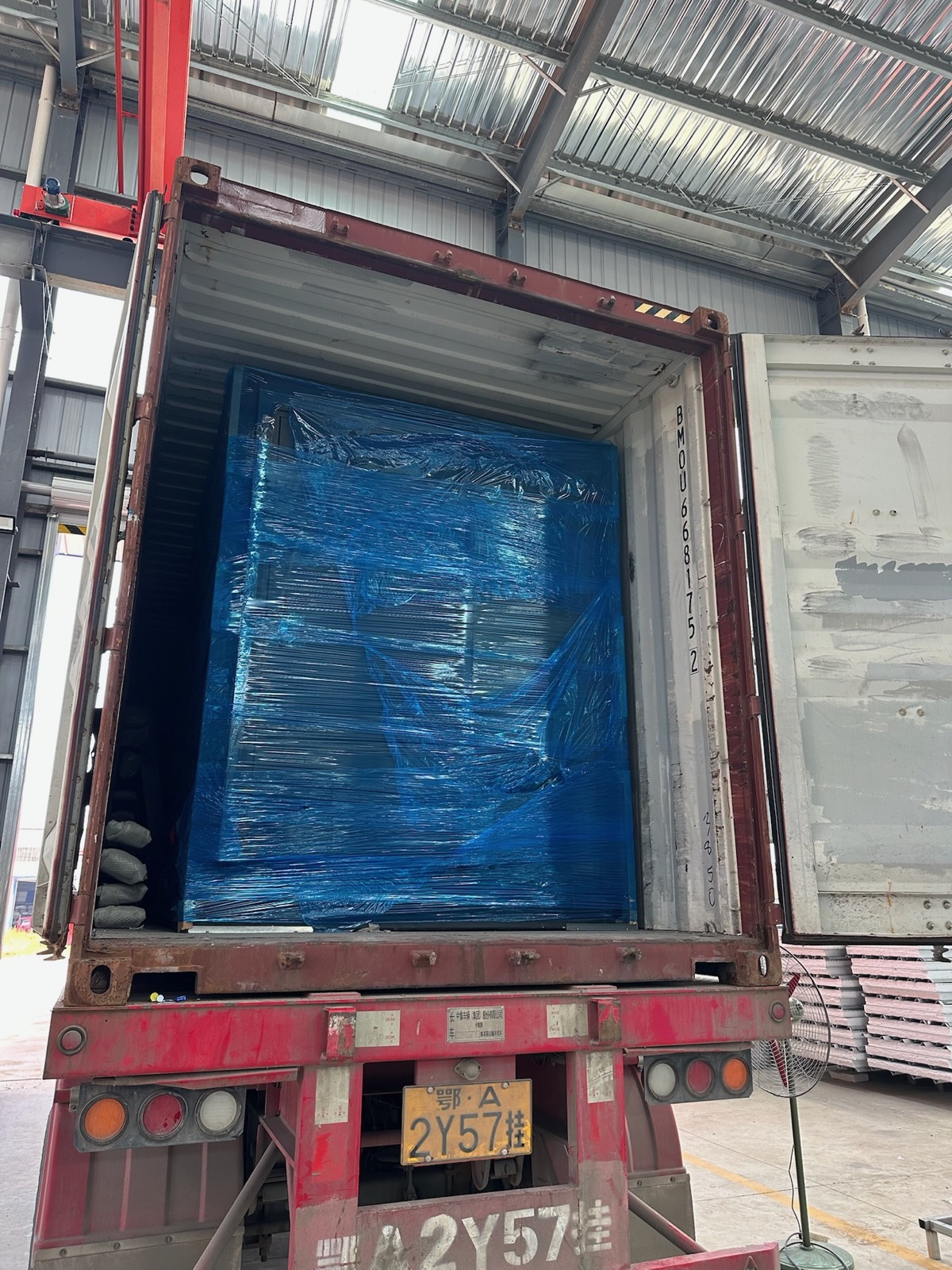
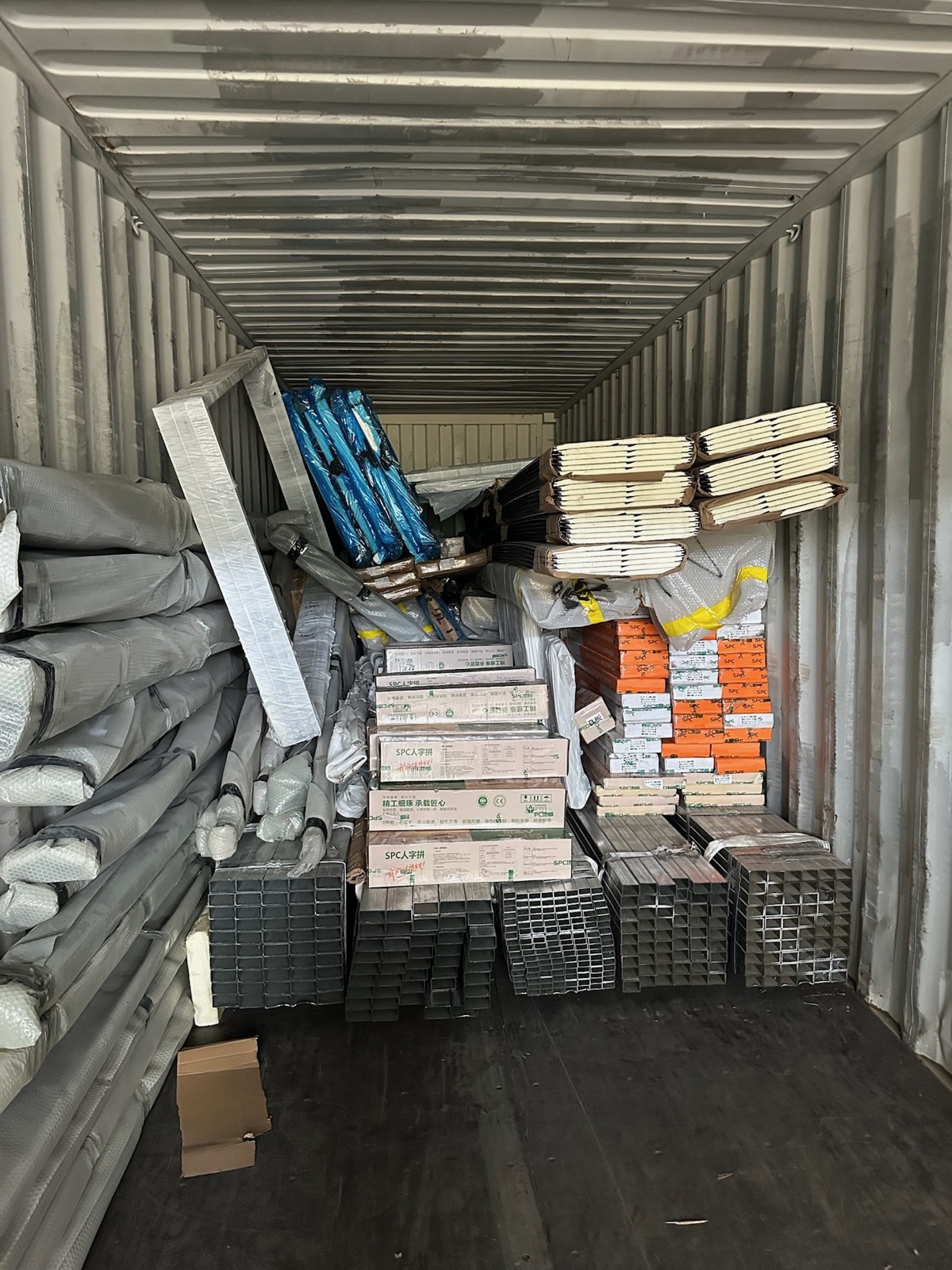
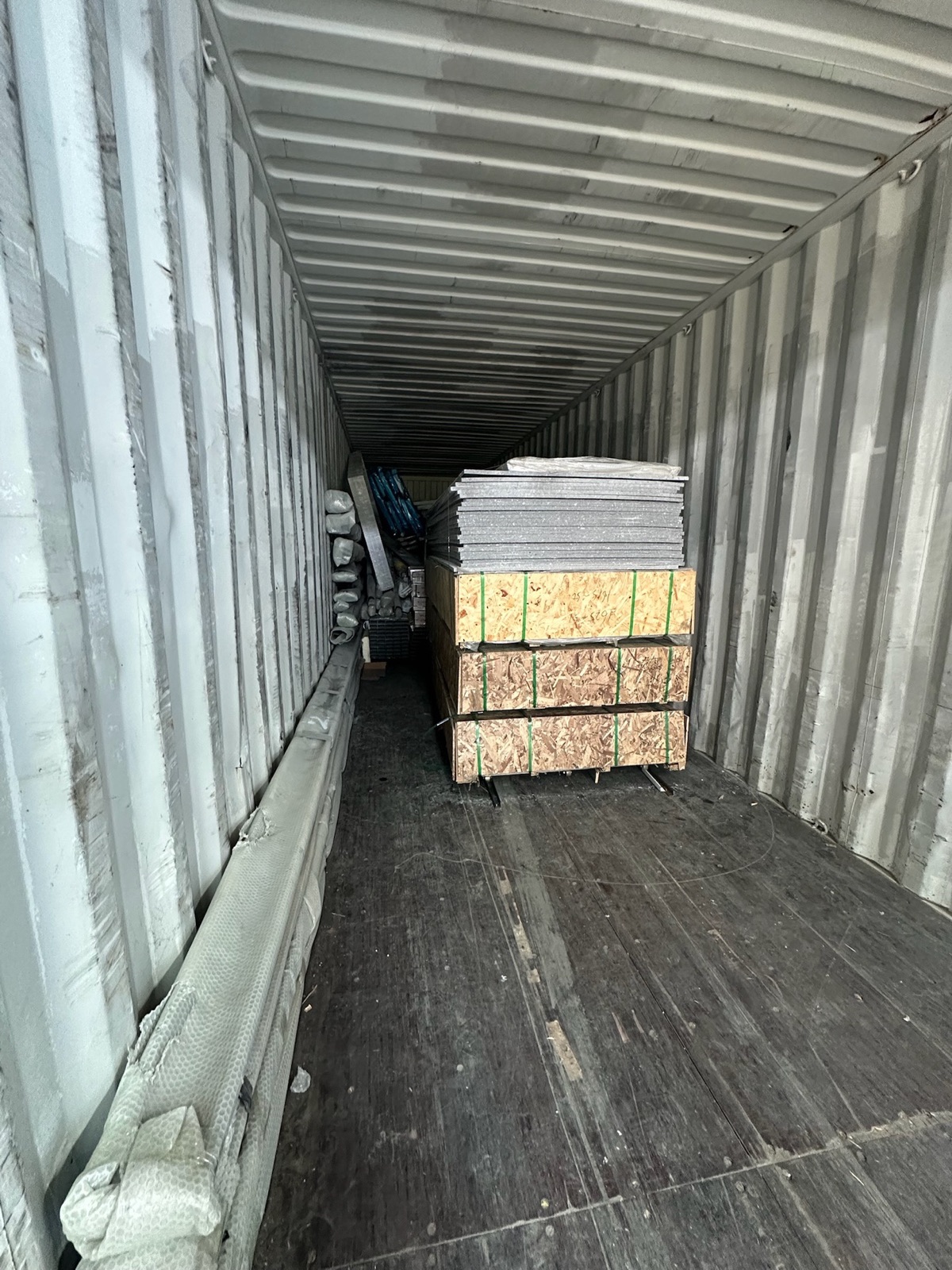
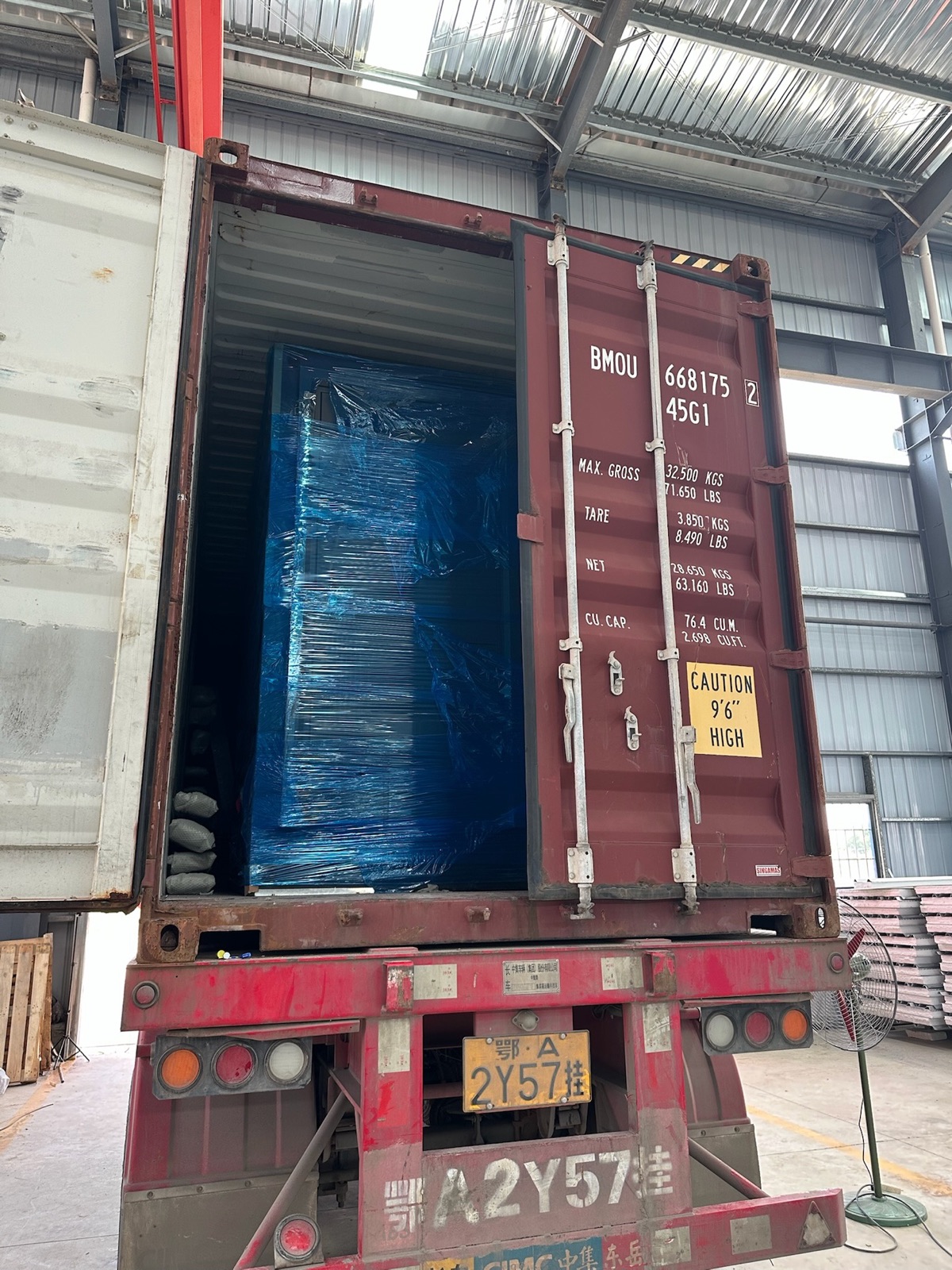
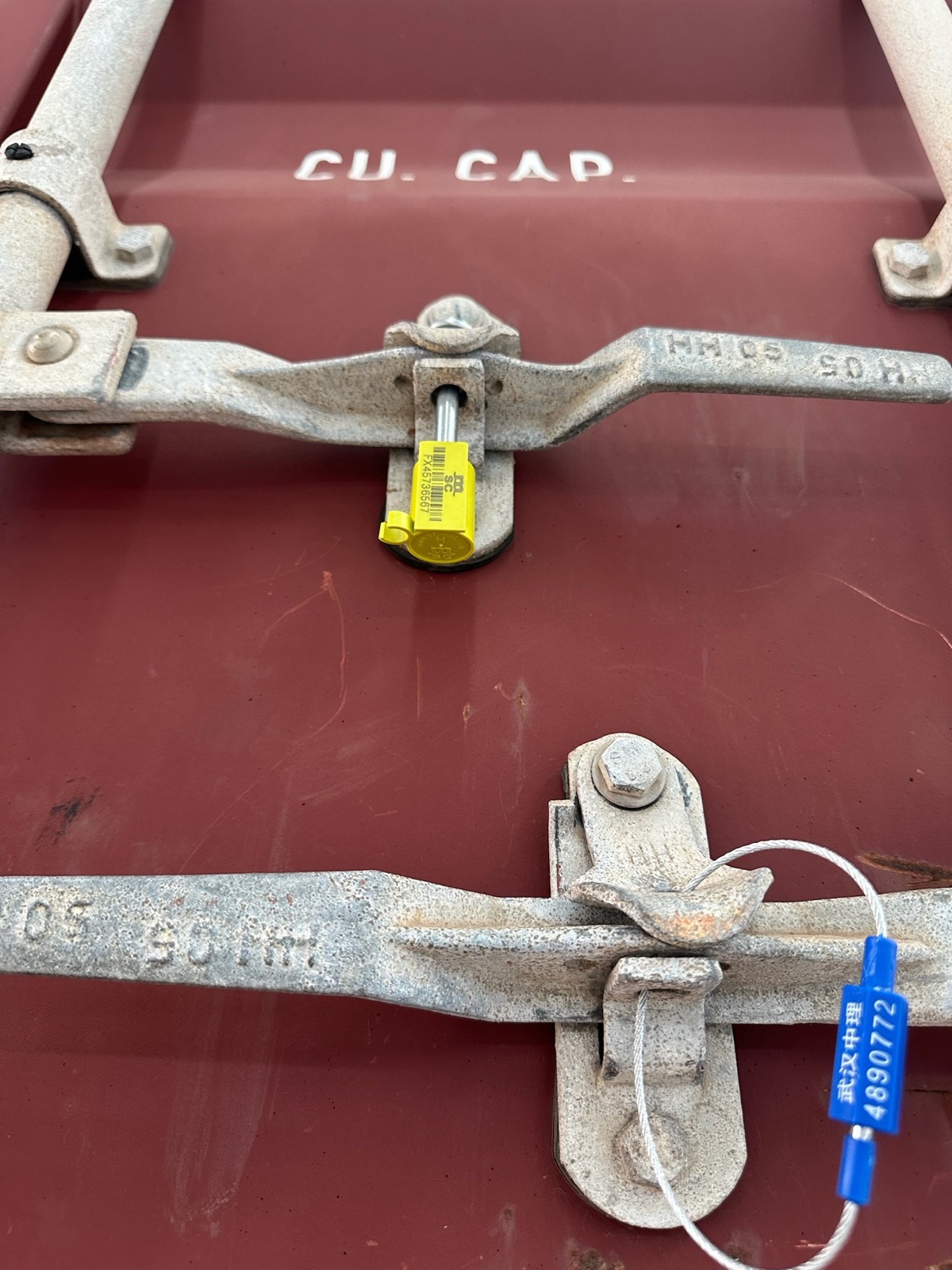
Factory dispatch photographs from the YARIS product archive, June 2026. Packing methods vary by product, quantity, route and contract scope.
Transport-aware product systems
Different house formats need different shipping plans.
Container selection and load design follow the building system, not the other way around.
Expandable units
Transport in a compact form and open on site. The shipment plan must account for folded dimensions, protection, unloading and expansion access.
Component-packed systems
Frames, wall panels, roof elements, doors, windows and finishes can be grouped by building sequence for efficient local assembly.
Completed modules
More factory completion can reduce site work, while requiring careful dimensional, lifting, restraint and route checks before booking.
Seven-stage delivery plan
A clear handover at every stage of the journey.
Responsibilities, documents and site readiness are confirmed early so the shipment can move without avoidable surprises.
- 01Confirm the project and destination
Product family, quantity, specification, destination port, final address, target date and local import requirements are reviewed.
- 02Design the packing and load plan
The team selects the appropriate container or transport format and plans item grouping, protection, weight distribution and handling sequence.
- 03Prepare and identify the cargo
Agreed components are protected, bundled, crated or wrapped, then matched to packing lists and project references.
- 04Load, secure and document
Cargo is positioned and secured for the planned intermodal journey. Container and seal details are recorded for the shipment file.
- 05Move to the origin port
Factory dispatch, inland trucking, export clearance and terminal handover follow the nominated forwarder and agreed commercial term.
- 06Ocean freight and customs preparation
The buyer and broker prepare destination formalities while the cargo is in transit, using the agreed shipping and commercial documents.
- 07Unload, deliver and install locally
After release, the local team arranges haulage, lifting, foundations, utilities and installation under the project method statement.
Ready for the next leg
Good logistics protects the building and the project schedule.
Protection against movement, abrasion and moisture starts at the factory. Clear documentation reduces customs friction. A prepared destination team reduces storage, demurrage and unsafe unloading risk. These are connected decisions, not separate tasks.
Request a Shipping PlanLanded cost
Look beyond the factory price.
The best commercial comparison covers the complete journey to an installed building.
Product specification, options, production, packing and any export preparation included in the quotation.
Factory loading, inland trucking, terminal handling, documentation and export clearance.
Freight, surcharges and cargo insurance according to the contract and selected route.
Port charges, customs broker, duties, taxes, inspections, storage and local delivery.
Crane or forklift, foundations, utilities, installation labour, permits and professional services.
Freight is quoted against a live route and date. Rates and transit schedules can change with carrier capacity, equipment availability, season, fuel, port congestion, weather and customs. A quotation is valid only for its stated period and scope.
Information for an accurate quotation
Six details help us build the right delivery plan.
Country, preferred port and final delivery address.
House family, dimensions, layout and required specification.
Pilot unit, full container, project batch or phased order.
Target production, sailing and site installation windows.
Required certificates, permits, approvals and broker instructions.
Road access, lifting equipment, storage and installation capability.
Contract clarity
Agree who controls each cost, task and risk.
The selected Incoterms® 2020 rule should be written into the sales contract with a named place or port. These rules help allocate delivery tasks, costs and risk between seller and buyer, but they do not replace the product specification, payment terms, title provisions, import rules or installation contract.
YARIS can support agreed export documentation and coordinate with the nominated forwarder. Unless the contract states otherwise, the buyer and local customs broker remain responsible for destination import permits, product approvals, duties, taxes and local clearance.
Shipping questions
Useful answers before booking freight.
Final scope is confirmed against the product, route, contract and destination requirements.
Can YARIS modular houses be shipped internationally by sea?
Yes. Depending on the product and project, YARIS can prepare expandable units, folding systems, completed modules or component-packed building materials for containerized sea freight to accessible international ports. Carrier service, import rules and local approvals must be confirmed for each destination.
How is an ocean freight quotation prepared?
A useful quotation requires the destination port or delivery address, product family, quantity, packing format, target timing and agreed Incoterms® rule. Freight and destination charges change with route, season, carrier capacity, equipment availability and port conditions.
Does YARIS handle customs clearance and import duties?
YARIS can coordinate agreed export documents and work with the nominated freight forwarder. Import permits, product approvals, customs clearance, duties and taxes are normally managed by the buyer or local broker unless the sales contract states otherwise.
What must be ready before the shipment arrives?
The buyer should confirm customs clearance, inland haulage, site access, foundations, utility connections, lifting or unloading equipment, temporary storage and the qualified installation team before arrival.
Is sea freight included in the factory price?
Not automatically. Product price and logistics scope are quoted separately or combined according to the agreed commercial term. Compare total landed and installed cost, including freight, insurance, port charges, duties, inland delivery, lifting, foundations and installation.
Plan an international shipment
Tell us the product, quantity and destination.
YARIS will review the appropriate packing format, container plan, commercial scope and information required for a route-specific quotation.