
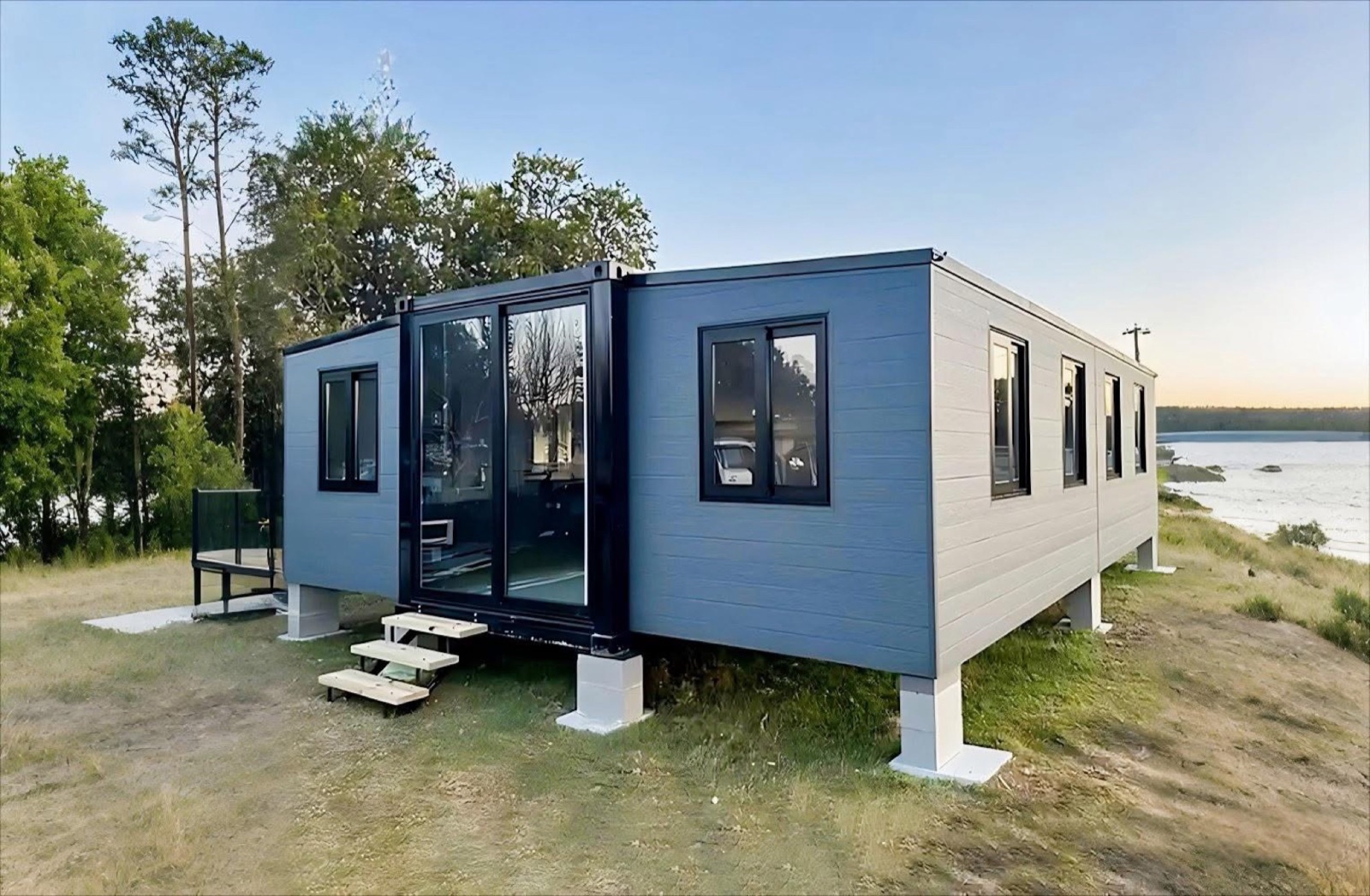
International partnership · Practical delivery
Build faster. Ship smarter. Grow the local market together.
From factory-prepared housing and export-aware logistics to local showrooms, installation teams and project finance coordination, YARIS helps partners turn modular housing into a scalable local business.
The business case
Prefabrication brings the building process into a more controlled production environment. For overseas developers and distributors, the opportunity is not simply to import a low-priced house. It is to combine efficient manufacturing with local land, approvals, installation, sales and service to create a reliable housing business.
A responsible comparison includes product specification, packing, freight, insurance, tax, customs, inland transport, crane or forklift work, foundations, utilities, installation, permits and local professional services. Prefabrication creates value by controlling this complete delivery process.
Convenience by design
More work is completed before the building reaches the site.
That shift changes how a project is planned, staffed and scaled.
Factory preparation
Frames, panels, openings, finishes and selected services can be coordinated in a controlled production sequence.
Parallel programme
Production can proceed while the local team prepares foundations, utilities, approvals and site access.
Repeatable delivery
Standard room types and coordinated components make multiple-unit projects easier to schedule and inspect.
Reduced site pressure
Less fabrication at the destination can reduce dependence on scarce local trades and shorten disruptive site activity.
Flexible configuration
Layouts, facades, interiors, openings and service packages can be adjusted around market needs and target budgets.
Phased growth
Partners can begin with a display unit or pilot project, then add stock and project capacity as demand is proven.
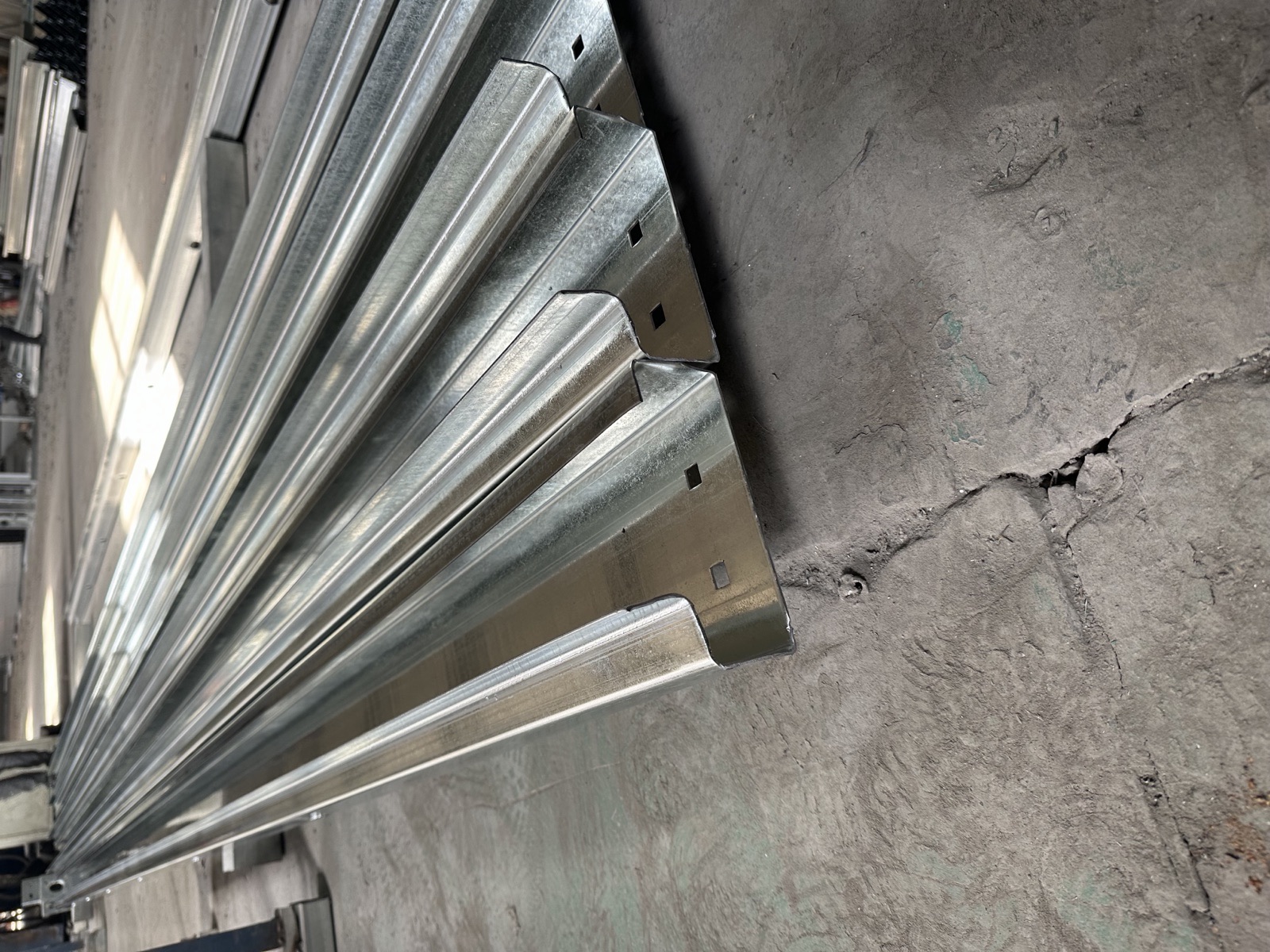
Construction cost advantage
Value comes from fewer variables, not one universal discount.
Prefabricated housing can be cost-effective because repeatable factory work improves material planning, reduces weather exposure and limits the number of activities that must be organised on site. A shorter delivery programme may also reduce supervision, temporary works, accommodation and financing carry costs.
It would be misleading to promise that every modular project is cheaper. A one-off, highly customised unit with difficult transport and extensive local works may not outperform conventional construction. The strongest economics usually appear where several units share a coordinated design, the destination has high labour costs or limited trades, and the site can receive modules efficiently.
YARIS therefore develops quotations around the complete project brief: product family, quantity, finish level, destination, packing method, local scope and target programme.
Where cost control can improve
Look across the full building budget.
Repeatable bills of materials and planned cutting can reduce avoidable purchasing and waste.
Factory completion can lower the number and duration of trades required at the destination.
Controlled production reduces the amount of work vulnerable to rain, heat, cold and wind delays.
Earlier opening can bring rental, hospitality or commercial assets into operation sooner.
Drawings, options and commercial inclusions are coordinated before production begins.
Repeatable details and factory checks can reduce correction work, subject to proper installation.
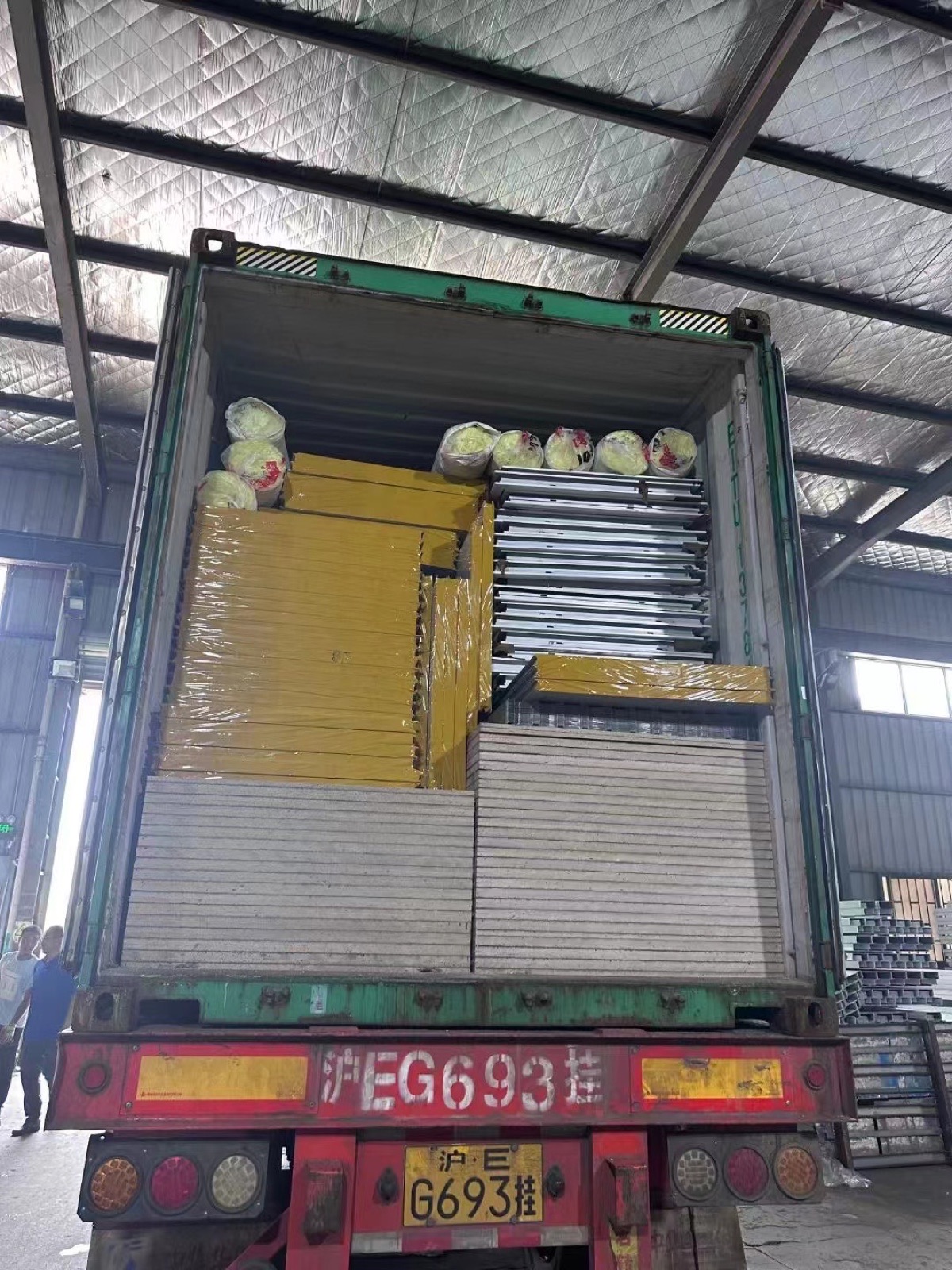
Sea freight and delivery
International housing starts with transport-aware design.
UN Trade and Development notes that around 80% of international goods trade by volume moves by sea. For prefabricated buildings, product design and logistics planning must work together from the beginning.
YARIS product families include folding, expandable, component-packed and completed-module formats. Each balances factory completion, shipping volume and destination assembly differently. The right choice depends on quantity, route, port limits, inland access, lifting equipment and the capability of the local installation team.
Overseas market outlook
A large need exists, but success is always local.
These figures show an extensive need for better housing delivery and an established international trade channel for prefabricated buildings. They do not guarantee demand for one product in every country. Climate, planning rules, household income, land, finance, culture and customer expectations differ widely.
The broad opportunity is strongest when manufacturing efficiency is matched with local market knowledge. That is why YARIS is actively seeking partners who understand customers, approvals, property development, construction services and after-sales support in their own region.
Read our data-led Europe housing analysisCo-develop the local market
A strong partnership divides responsibilities clearly.
YARIS provides manufacturing and export coordination; the local partner turns that capability into a trusted customer experience.
Factory and product support
- Product-family selection and configuration
- Drawings, option coordination and quotation
- Production planning and factory quality checks
- Packing, dispatch and export documentation support
- Product media, catalogue and sales-material support
- Installation guidance for the agreed system
Market and project delivery
- Market research and lead development
- Land, planning and local professional coordination
- Showroom operation and customer demonstrations
- Customs, inland delivery and site logistics
- Foundations, utilities and local installation
- Customer service, maintenance and feedback
Overseas showrooms
Let customers walk into the product before they invest.
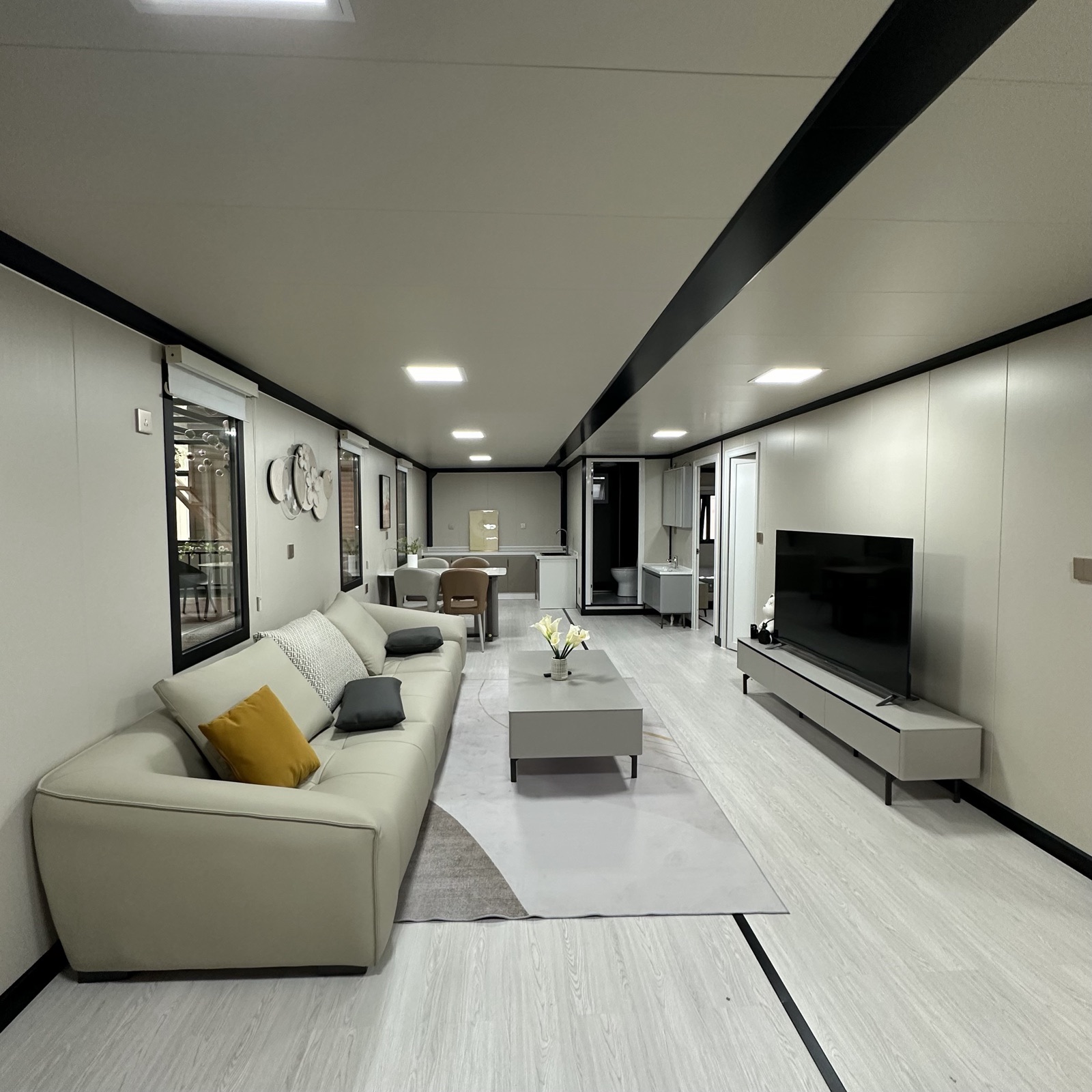
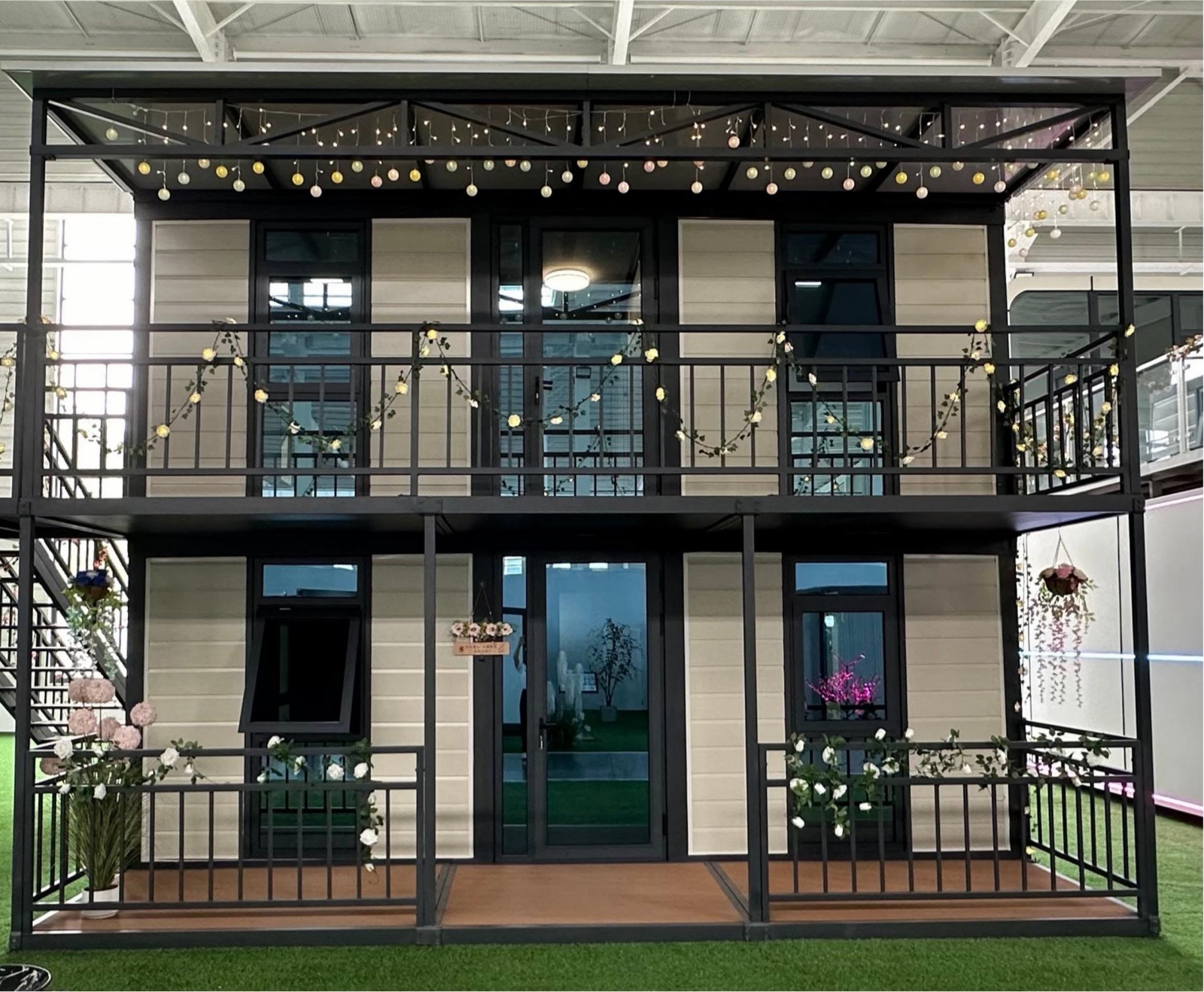
A local display unit can operate as a sales office, demonstration home, hospitality suite and installer-training environment. It gives customers a real sense of space, structure, finish and functionality that drawings alone cannot provide.
YARIS welcomes qualified partners to discuss showroom locations, display-unit selection, demonstration fit-out, local branding, launch material, staff training and lead-development plans. Support is confirmed case by case against the market plan, partner capability and agreed commercial targets.
Propose a Showroom Market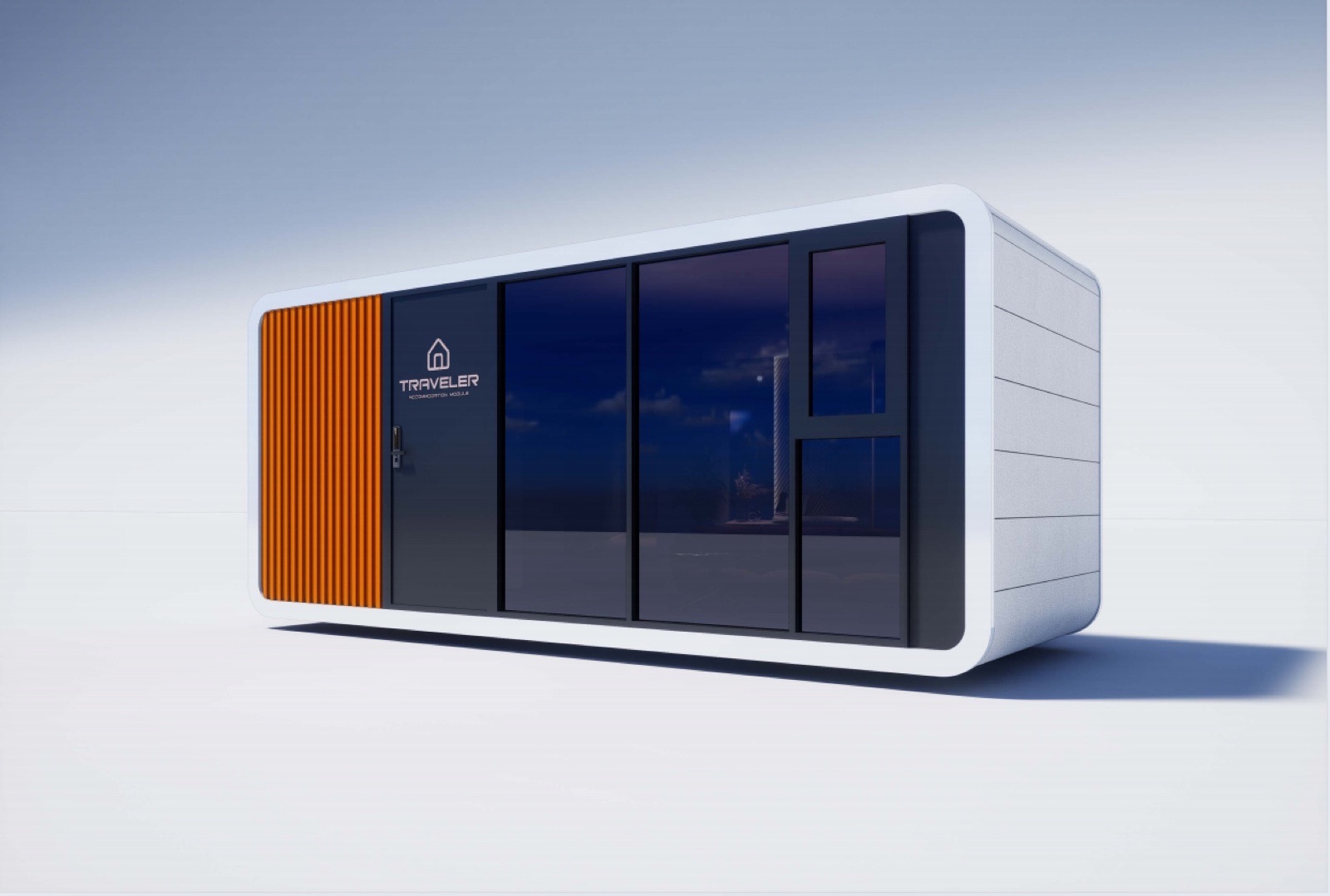
Finance and investment coordination
Structure growth around real projects and verified demand.
Financial arrangements require a defined project, responsible parties and a compliant contractual structure.
A practical route to market
Start small enough to learn, then scale with evidence.
- 01Define the market
Country, customer group, target price, use cases, competitors, regulations and expected annual volume.
- 02Select the display system
Choose a model that fits local demand, transport conditions, site capability and the showroom proposition.
- 03Deliver the first project
Coordinate drawings, commercial scope, logistics, local works, installation and documentation carefully.
- 04Build local capability
Train sales and installation teams, establish service processes and collect customer feedback.
- 05Scale the pipeline
Use proven demand to plan stock, project batches, additional displays and possible finance structures.
Partner questions
Clear expectations create durable cooperation.
Commercial terms and responsibilities are confirmed for each market and project.
Are prefabricated houses always cheaper than conventional buildings?
Not automatically. Their cost advantage comes from repeatable factory work, reduced site labour, shorter programmes and better scope control. Final installed cost still depends on specification, freight, tax, foundations, utilities, installation and local compliance.
How are YARIS prefabricated houses shipped overseas?
The shipping method depends on the product. Folding, expandable, component-packed and completed-module formats use different container, securing and site-handling plans. The destination port, inland route, lifting method and customs scope must be confirmed before shipment.
Can a local partner open a YARIS showroom?
Yes. YARIS welcomes discussions with qualified distributors, developers and service partners about local display units, showrooms, demonstration sites, sales support and installation capability.
Does YARIS provide financing or investment?
Potential support may include phased procurement, milestone payment structures, showroom support, finance introductions or project investment discussions. Every arrangement is case-specific and subject to due diligence, credit approval, contract and applicable law; it is not a public offer or guaranteed credit commitment.
Become a local YARIS partner
Bring the market. We will bring the modular-building platform.
Share your country, customer segment, showroom idea, project pipeline and local delivery capability. We will review the right first step together.